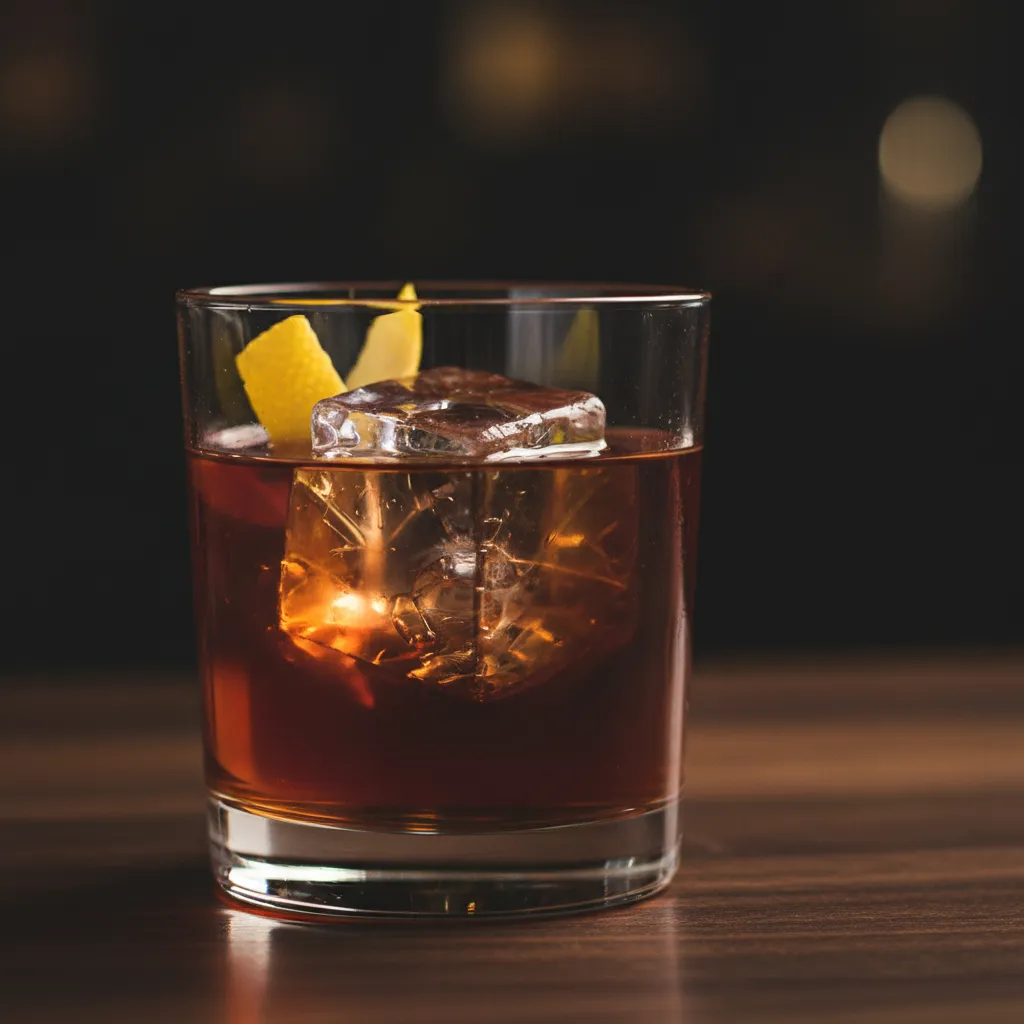
There is a bar in New Orleans called the Carousel Bar. It sits inside the Hotel Monteleone on Royal Street in the French Quarter, and it rotates slowly - one full revolution every fifteen minutes. Guests sit at the bar and, if they stay long enough, end up back where they started.
It is a fitting home for the Vieux Carré, a cocktail that works the same way: you think you understand it, and then it surprises you again.
A Portrait of New Orleans
The Vieux Carré was created in the 1930s by Walter Bergeron, head bartender at the Hotel Monteleone. He named it after the French Quarter itself - “Vieux Carré” means “old square” in French, a reference to the original grid of streets laid out by French colonists in the early 1700s.
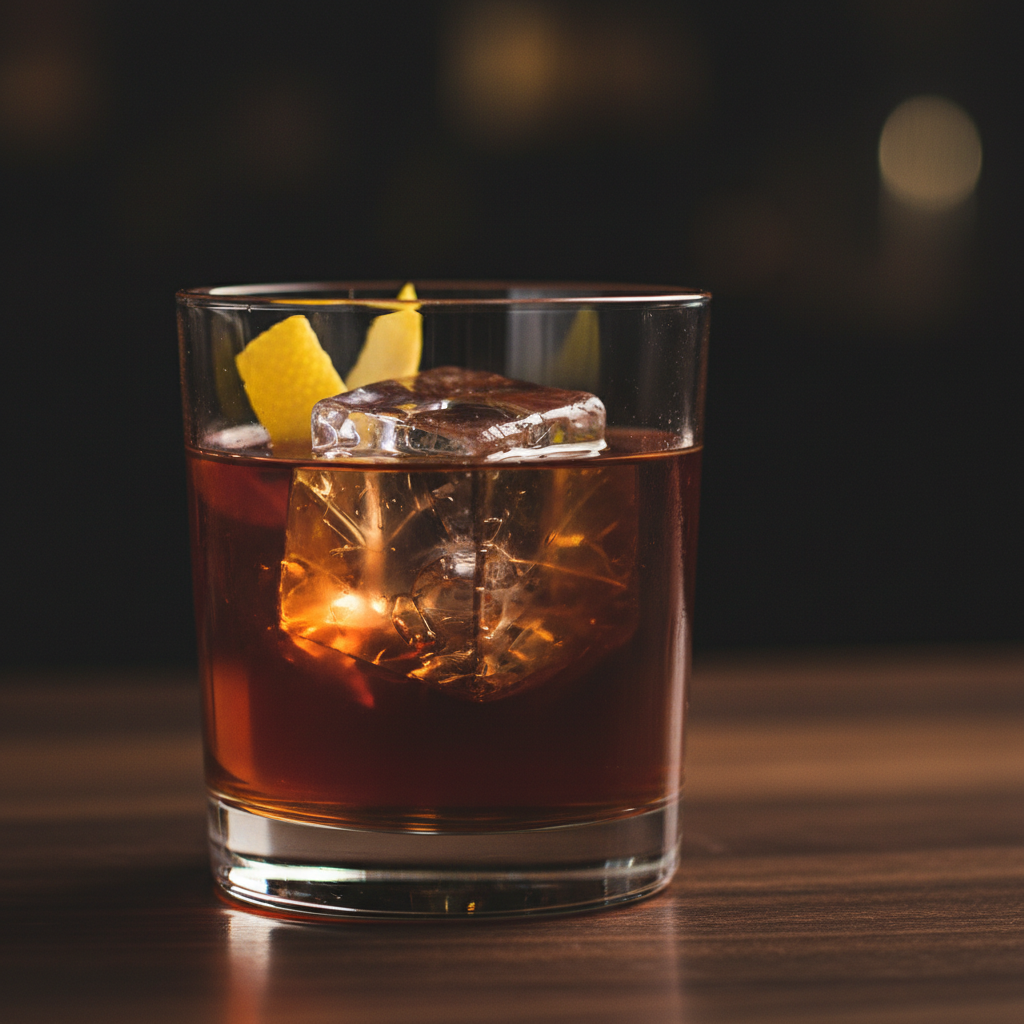
The drink is, in every sense, a portrait of New Orleans: French influence, American whiskey, Italian vermouth, and a Benedictine liqueur that ties the whole thing together. It is also, on paper, a drink that should not work.
Most stirred cocktails are built around a single base spirit. The Manhattan is rye or bourbon. The Martini is gin. The Vieux Carré ignores this convention entirely - and the reason it works is that each ingredient is doing a specific job, and none of them are fighting for the same territory.
Rye Whiskey
Structure and spice. American rye has a dry, peppery backbone that keeps the drink from going soft. Without it, the cognac and vermouth would merge into something pleasant but formless.
Cognac
Depth and fruit. A good VS or VSOP adds dried stone fruit, a little vanilla, and a roundness that rye alone cannot provide. The two spirits occupy different registers - rye is high and dry, cognac is low and rich - and together they create something more layered than either alone.
Sweet Vermouth
The bridge. It connects the two spirits, adds herbal complexity, and brings the sweetness that holds the drink in balance. Use a quality vermouth - it is doing real work here, not filling space.
Benedictine
The secret. This French herbal liqueur, made from 27 plants and spices, adds a honeyed, slightly medicinal quality unlike anything else in the drink. A quarter ounce - but its absence is immediately obvious. Benedictine is what makes the Vieux Carré taste like the Vieux Carré and not an unusual Manhattan.
The Recipe
The Vieux Carré is stirred, served over ice in a rocks glass. Some bartenders serve it up, but the original presentation is on the rocks - the gradual dilution as the ice melts is part of how the drink evolves.
Stir for 30 to 40 seconds - longer than you would a Manhattan. The combination of spirits needs more time to integrate. The drink should feel silky and cohesive, not sharp.
Garnish with a lemon twist or a cherry, depending on your preference. Both are traditional.
2 dashes Peychaud's bitters / 2 dashes Angostura bitters
Choosing Your Spirits
Because the Vieux Carré is built on three base ingredients in roughly equal parts, the quality of each matters more than in a drink where one spirit dominates.
Something in the 90-100 proof range works well. Rittenhouse is affordable, high-proof, and assertive enough to hold its own against the cognac. Sazerac Rye is an excellent alternative - and carries the added connection to the other great New Orleans cocktail.
You do not need to reach for anything expensive. A VS or VSOP from a reliable producer will perform beautifully. Save the XO for sipping neat.
Freshness matters. Sweet vermouth oxidizes after opening, and a bottle sitting on the shelf for six months will make the drink taste flat. Keep it refrigerated and use it within four to six weeks.
The Vieux Carré is not a beginner cocktail. It requires four spirits, two bitters, and some patience at the mixing glass. But it rewards the effort in a way that few drinks can match. It tastes like it was designed by someone who understood exactly what they were doing - because it was.
Walter Bergeron created something at the Hotel Monteleone that has outlasted almost everything else from that era of American bartending. The Carousel Bar still rotates. The French Quarter is still there. And the Vieux Carré is still worth making.
If you have rye, cognac, and sweet vermouth on your shelf, Alchemy’s My Bar will surface it automatically - along with everything else you can make from what you already have.
Common Questions
A stirred cocktail made with rye whiskey, cognac, sweet vermouth, Benedictine, and dashes of both Peychaud's and Angostura bitters. Created in the 1930s at the Hotel Monteleone's Carousel Bar in New Orleans.
"Voo car-AY." The name is French for "old square," referring to the French Quarter of New Orleans where the drink was invented.
It adds a honeyed, herbal complexity that ties the rye and cognac together. A quarter ounce - but without it the drink tastes like an unusual Manhattan rather than a Vieux Carré. It is the ingredient that gives the cocktail its distinctive character.
A Manhattan uses one base spirit with sweet vermouth and bitters. The Vieux Carré splits the base between rye and cognac, adds Benedictine, and uses both Peychaud's and Angostura. The result is richer and more layered.