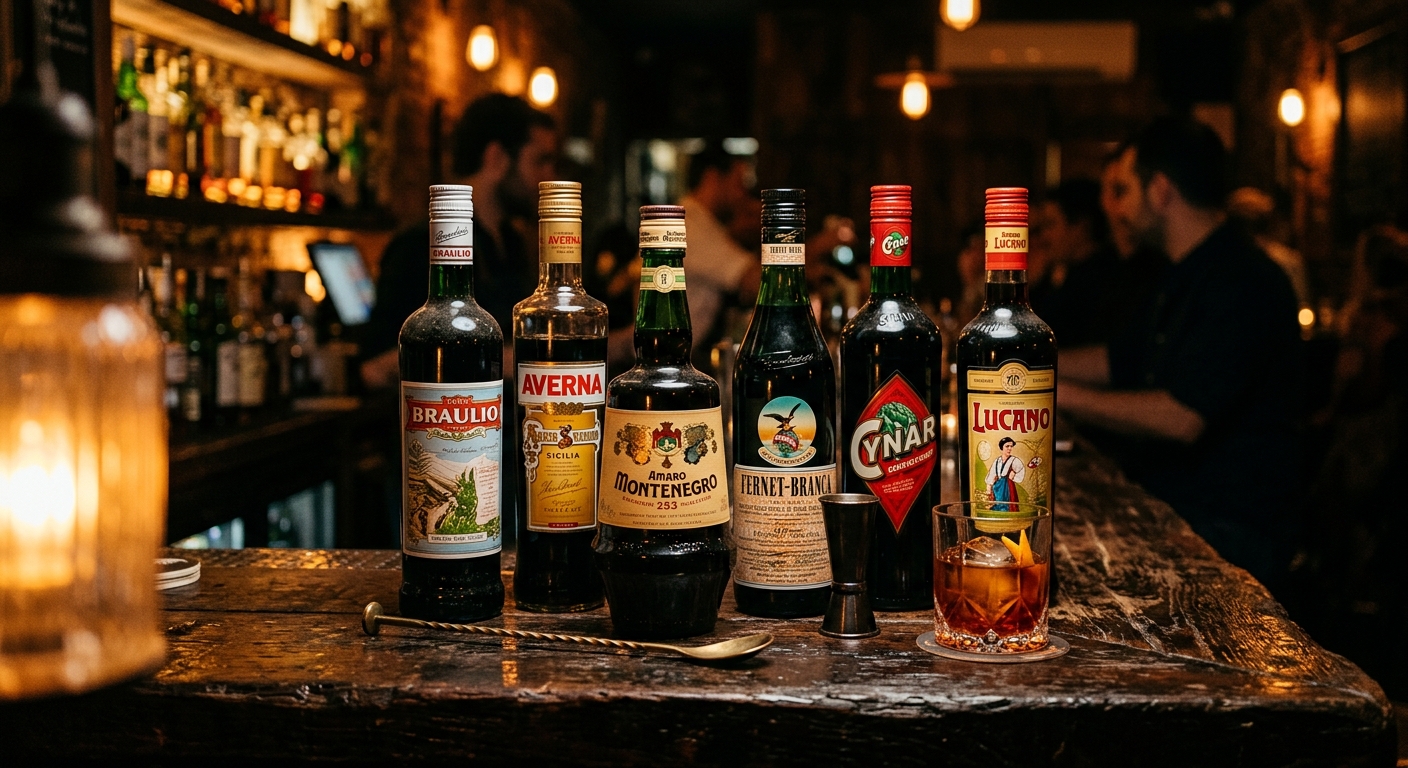
If you have spent any time behind a bar or browsing a cocktail menu, you have almost certainly encountered amaro. It appears in Negronis, in Paper Planes, in after-dinner rituals across Italy. And yet, if someone asked you to explain exactly what amaro is, you might hesitate. You would not be alone.
The confusion is understandable. Amaro is not a single flavor or a single bottle - it is a category. A broad, sprawling family of Italian herbal liqueurs united by one quality: bitterness. Beyond that shared trait, the range is enormous.
A Practical Map
Rather than memorize dozens of bottles, it helps to think of amaro in broad tiers of intensity and function.
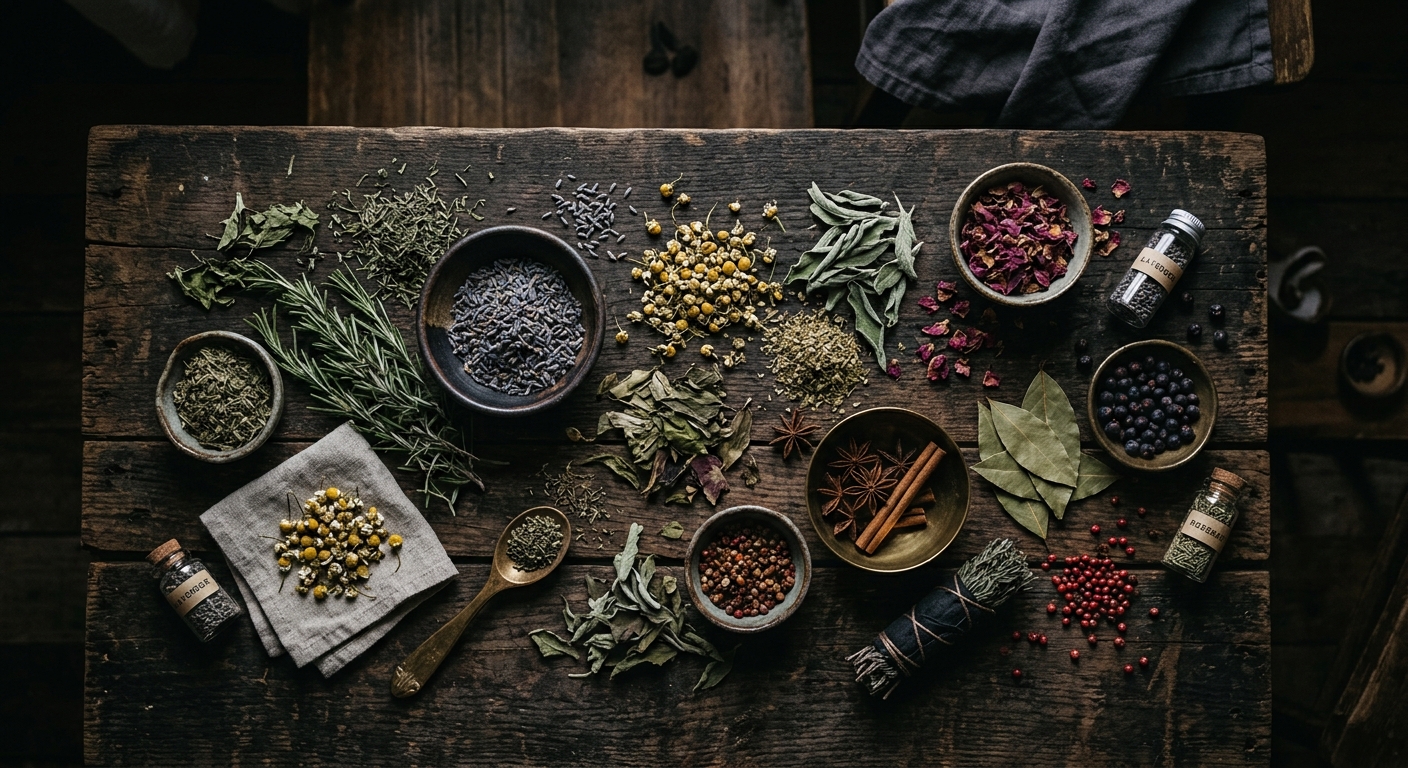
Aperitivo Bitters and Light Amaros
Low bitterness and citrus-led profiles. Start here if you are new to amaro or prefer bright, gentler edges.
Balanced and Herbal
The center of the category: earthy botanicals, measured sweetness, and enough bitterness to stay unmistakably amaro.
Assertive and Bitter
For seasoned palates: menthol, roots, bark, and deep bitterness that lingers well after the sip.
How to Actually Use It
This is where amaro stops being intimidating and starts being practical. Treat it less like a niche bottle and more like a set of levers for bitterness, sweetness, and aroma. In day-to-day mixing, you will keep coming back to four dependable roles.
AS A MODIFIER
A small amount can shift a cocktail’s character without taking it over. Swap in a touch of Cynar or Montenegro and suddenly a familiar drink feels more grounded, a little more interesting.
AS THE BACKBONE
Some cocktails are built around amaro entirely. The Negroni works because the bitterness is intentional, it is not something to soften, but something to balance against.
AS A FINISHING TOUCH
Sometimes it is just a bar spoon at the end. Not enough to define the drink, but enough to change how it lingers, adding a slightly darker, more aromatic finish.
AS A DIGESTIF
And then there is the simplest use: on its own, after a meal. No mixing, no fuss. This is how amaro is traditionally enjoyed, and for many people, it is where it makes the most sense.
The Paper Plane
And why one cocktail changed everything.
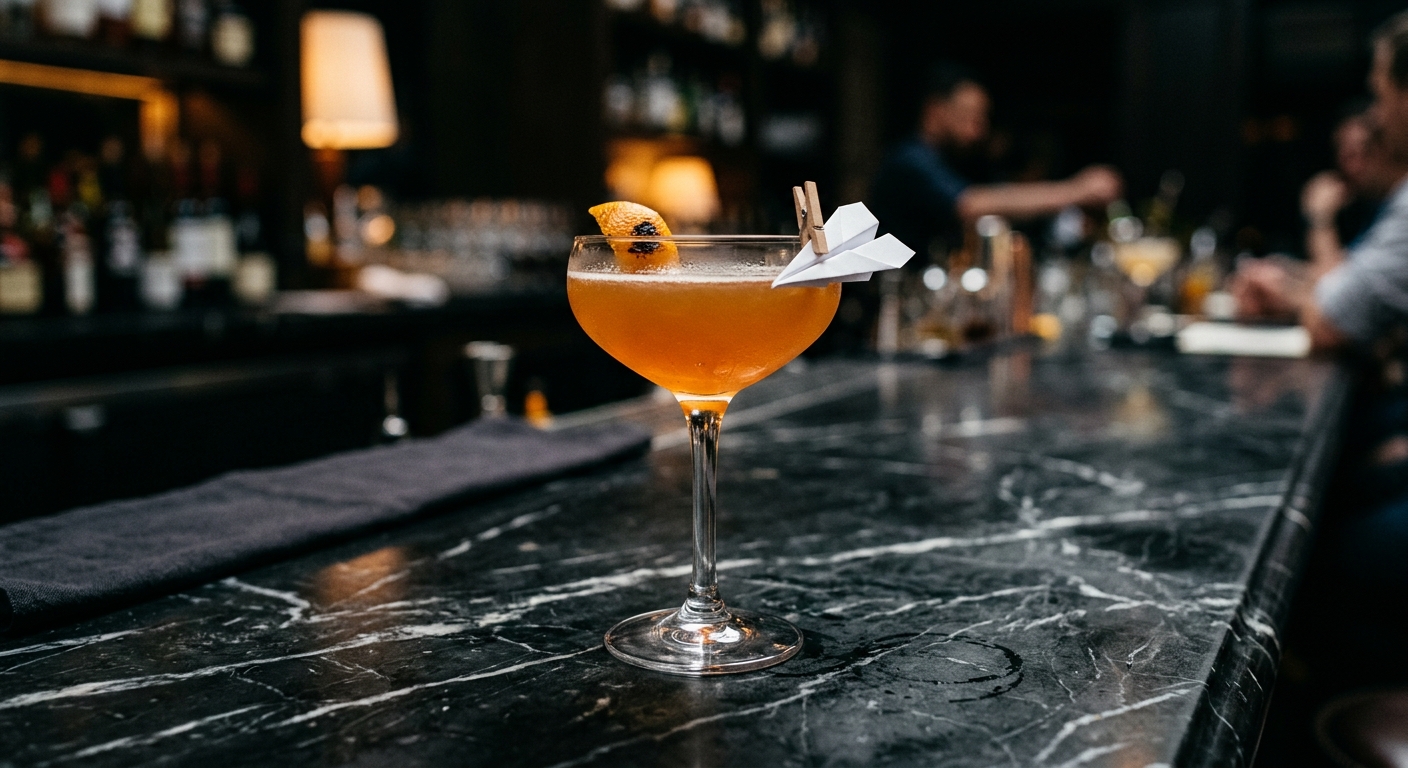
If there is a single drink that proved amaro could stand at the center of a cocktail - not just lurk at the edges - it is Sam Ross’s Paper Plane. Created in 2007, it is deceptively simple: equal parts bourbon, Aperol, Amaro Nonino, and fresh lemon juice.
What makes it remarkable is the balance. Every ingredient pulls equal weight.
The point is not that the recipe is clever. The point is that bitterness, citrus, and sweetness can share equal space without any one of them dominating.
Where to Start
You do not need a dozen bottles. You need two good ones and the willingness to experiment.
The gateway. Its bold red color and unmistakable bitterness make it essential for Negronis, Boulevardiers, and the entire aperitivo tradition. It is not subtle, and that is exactly the point. Campari teaches you what bitter means, and once you understand that, everything else in the category makes more sense.
The bartender's handshake. Where Campari is loud and assertive, Montenegro is smooth and approachable, caramel, orange peel, a gentle herbal complexity that plays well with almost anything. It works as a modifier, a base, or a quiet sipper after dinner. If Campari teaches you about bitterness, Montenegro teaches you about balance.
By now the shelf should feel less like a wall of unfamiliar names and more like a map. Amaro is not one flavor profile to memorize, but a working range you can navigate. Once you focus on role and intensity, choosing the right bottle becomes faster and far more intuitive.
Start simple and repeat the same drinks with small amaro swaps. Modifier, backbone, finishing touch, digestif. The patterns reveal themselves quickly, and your palate does the rest.
Once you start thinking this way, the question becomes what you can actually make with what you already have.
Common Questions
A base spirit infused with a proprietary blend of herbs, roots, bark, flowers, and citrus peel, then sweetened.
Campari and Amaro Montenegro make the strongest starting pair.
Absolutely. Served neat or over a single large ice cube after dinner, it is one of the simplest pleasures in spirits.
Scale. Amaro is potable and measured in ounces. Cocktail bitters are concentrated extracts measured in dashes.