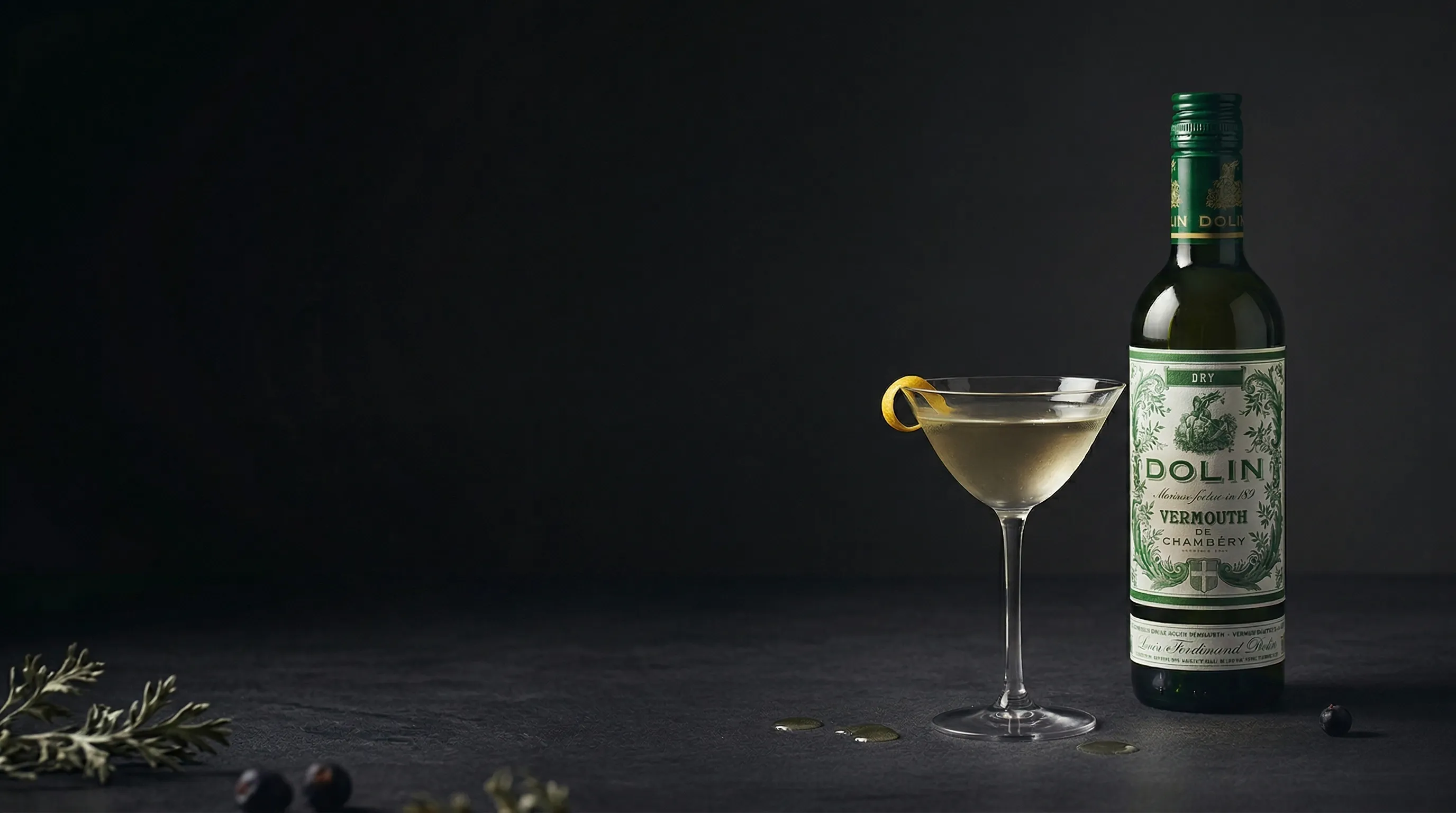
At a glance: Vermouth is fortified, aromatized wine, not a spirit, which means it oxidizes the moment you open the bottle and fades within weeks at room temperature. An open bottle stored in the fridge stays bright for two to three months; left on the bar cart for longer, it goes dull and drags every Martini, Manhattan, and Negroni down with it. Refrigerate it, date the cap, and replace it often.
There’s a bottle of vermouth on most home bar carts that’s been open for months. Maybe yours has been there since the last dinner party, or since you went through a Manhattan phase over the holidays. It’s easy to forget about. It looks like liquor, it sits with the liquor, and nothing about the bottle suggests it needs any special treatment.
But vermouth is wine - specifically a fortified, aromatized wine. And like wine, it changes once it’s open. Air gets in, oxidation starts, and the bright herbal complexity that makes vermouth worth using in the first place slowly fades out.
This is easy to miss because it happens gradually. Your drinks don’t suddenly taste bad one day. They just get a little flatter, a little duller, and you start wondering if maybe you need better gin.
You probably don’t. You probably just need fresh vermouth.
What Is Actually Happening in That Bottle
Vermouth sits at around 16-18% ABV. That’s higher than table wine, which gives it a bit more staying power, but not enough to keep it stable the way gin or whiskey is. Once it’s open, the aromatics start breaking down within weeks.
By the three-month mark, most of the herbal complexity is gone. By six months, the flavor has shifted into something dull - sometimes slightly sour or vinegary.
And that matters, because vermouth’s job in a cocktail is almost entirely about those aromatics.
In a Martini, a Manhattan, a Negroni - vermouth is what adds depth and dimension. When those aromatics have faded, the drink still works, but it’s missing the thing that makes it interesting.
The Fix Is Simple
Refrigerate After Opening
Cold slows oxidation significantly. This alone extends the life of an open bottle from weeks to a couple of months. Some people go further and keep vermouth in the freezer to slow things down even more, but honestly, a fridge and a two-month window covers it.
Use It Within Two to Three Months
If you’re not going through vermouth that quickly, buy smaller bottles. Most good vermouths come in 375ml as well as 750ml, and the smaller bottle means you’re always working with something relatively fresh. A Sharpie on the bottle with the date you opened it takes the guesswork out completely.
Vermouths Worth Knowing About

This is one of those categories where the bottle you choose genuinely changes the drink.
Dry vermouth (for Martinis):
Clean, bright, classic French style. A great starting point and an everyday choice for a lot of bartenders.
Slightly more oxidized by design, since it’s aged in barrels. More traditional, a little rounder. Worth trying to see where you land.
Technically a quinquina rather than a vermouth, but works beautifully in Martinis. Slightly sweeter, more complex. Good if you want a bit more personality.
Sweet vermouth (for Manhattans and Negronis):
Rich and balanced without being too sweet. Works well in just about everything.
Bold vanilla and baking spice. This one has presence - it can take over lighter drinks, but in a Manhattan it is exceptional.
Lighter and more delicate. In a Negroni, it lets the gin and Campari do more of the talking, which can be exactly what you want.
Noticeably more bitter than the others, almost halfway to an amaro. A lot in a Manhattan, but in a Negroni where Campari is already pushing the bitter side, it can be really interesting. A bottle worth experimenting with once you know what the others taste like.
The Side-by-Side Experiment

If you have an older bottle and you’re not convinced this matters, buy a fresh one and make two of the same cocktail - one with each.
A Martini is the clearest test because the vermouth has nowhere to hide, but it works with a Manhattan or Negroni too.
The fresh version will have more going on. More aromatics, more brightness, more of the herbal complexity that gives the drink its character. The older version will taste simpler and flatter by comparison.
It’s one of those things that’s hard to unsee once you’ve tasted it.
Where You Will Notice It Most
Martini - The vermouth is a small proportion of the drink, which means its quality is magnified. Fresh vermouth is the difference between a Martini that is clean and cold and one that is actually complex and interesting.
Manhattan - At a 2:1 ratio, the vermouth is doing a lot of work. Fresh sweet vermouth brings out the whiskey’s character instead of muddying it. This is where the Carpano Antica really shines. The same principle applies to more complex stirred drinks like the Vieux Carré, where vermouth is one of three components working in equal parts.
Negroni - Equal parts means the vermouth is a full third of the drink. When it is fresh, the three ingredients balance properly - bitter, sweet, botanical, all in conversation. When it is not, the balance tilts and the drink loses its equilibrium.
Vermouth is wine. Keep it cold, use it fresh, and replace it every couple of months. It is a small shift in how you think about one bottle on your shelf, and it quietly improves every cocktail you make with it.
If you have vermouth on your shelf, Alchemy will show you every cocktail you can make with it alongside everything else in your bar.
Common Questions
Vermouth is wine - specifically, a fortified, aromatized wine infused with botanicals. It typically sits at 16-18% ABV, higher than table wine but much lower than spirits like gin or whiskey.
An opened bottle of vermouth stays fresh for about two to three months if refrigerated. Without refrigeration, the aromatics begin breaking down within weeks. Writing the opening date on the bottle helps you track freshness.
Yes. Because vermouth is wine, it oxidizes after opening. Refrigeration slows that process significantly and is the single most important thing you can do to keep your vermouth tasting fresh.
Dry vermouth is lighter, more herbal, and used in drinks like the Martini. Sweet vermouth is richer, more full-bodied, and used in cocktails like the Manhattan and Negroni. Both are wine-based and both need to be refrigerated after opening.