
At a glance: The dry shake is a two-stage technique for any cocktail built on egg whites or aquafaba: shake hard without ice first to build foam, then shake again with ice to chill and dilute. Egg-white proteins need warmth and zero dilution to form a stable, long-lasting foam cap, which is why a single shake never quite gets there. Skip the dry shake and you skip the texture that defines a proper Whiskey Sour.
If you’ve ever ordered a Whiskey Sour at a craft cocktail bar and marveled at that perfect layer of silky foam on top, you’ve witnessed the magic of the dry shake. It is one of those techniques that separates casual home bartenders from people who really understand what they are doing.
A dry shake is a cocktail technique where ingredients are shaken without ice first to build foam, then shaken again with ice to chill and dilute the drink. It is the standard technique for any cocktail containing egg whites or Aquafaba, and once you understand why it works, you will never skip this step again.
What Is a Dry Shake?

A dry shake is exactly what it sounds like: shaking your cocktail ingredients without ice first, then adding ice and shaking again. It is specifically used for cocktails that contain egg whites, aquafaba (the liquid from canned chickpeas), or other foaming agents.
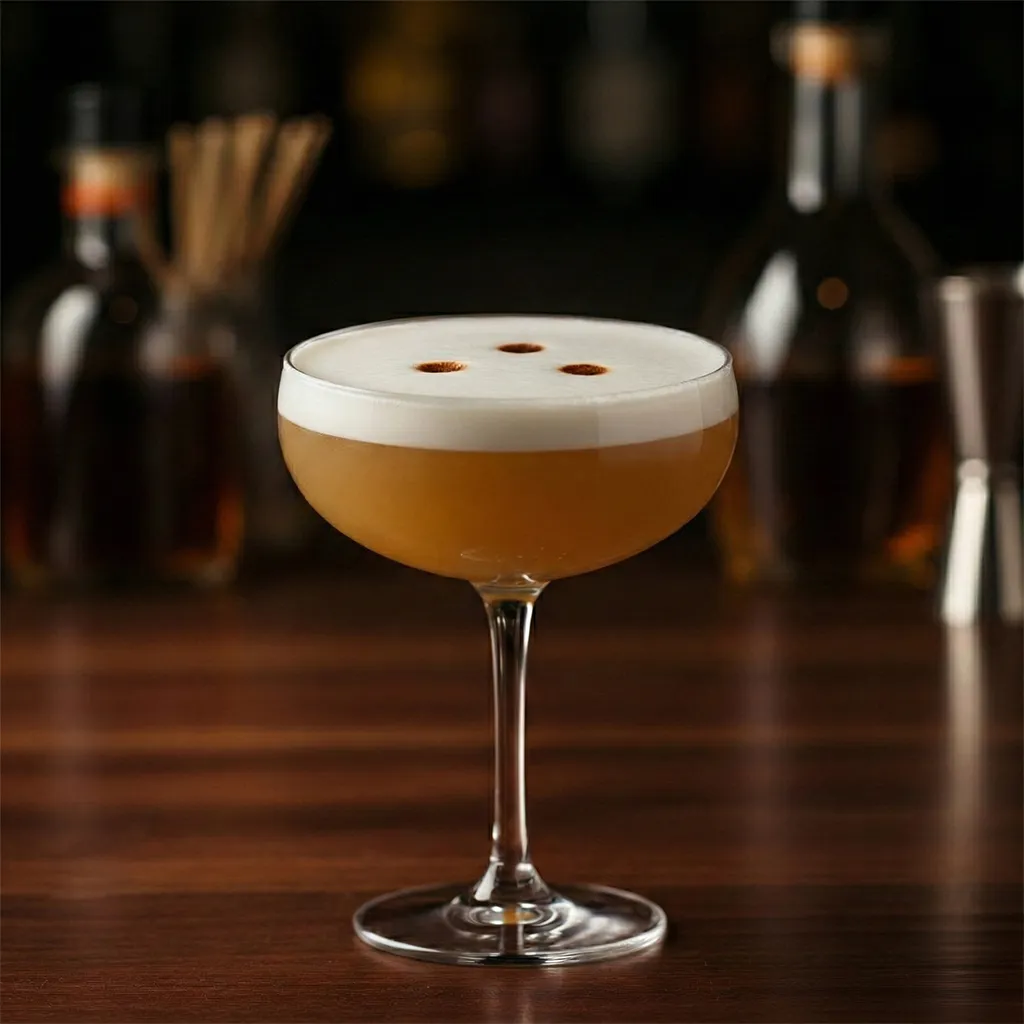
The technique creates that signature creamy foam layer you see on drinks like the Whiskey Sour, Clover Club, or Pisco Sour. But it is not just about looks. The foam changes the texture and mouthfeel of the entire cocktail, making it smoother and more luxurious.
Why Dry Shake First? The Science Behind the Foam
Egg whites need vigorous agitation to create stable foam, and they need to do it without dilution or cold.
When you shake egg whites with the other cocktail ingredients (citrus juice, simple syrup, spirit), you are forcing the proteins in the egg white to unfold and bond together, trapping tiny air bubbles. This creates foam. But if you add ice too early, two things go wrong.
Dilution Prevents Proper Emulsion
The water from melting ice gets in the way of the protein bonds forming correctly. You will get some foam, but it will not be stable or thick. The foam collapses within seconds instead of holding for minutes.
Cold Slows Protein Bonding
Egg whites foam better at room temperature. Ice-cold liquid makes the proteins sluggish and less likely to create the tight network you need for good foam. The dry shake gives the egg white the warm, undiluted environment it needs to perform.
How to Dry Shake: The Technique
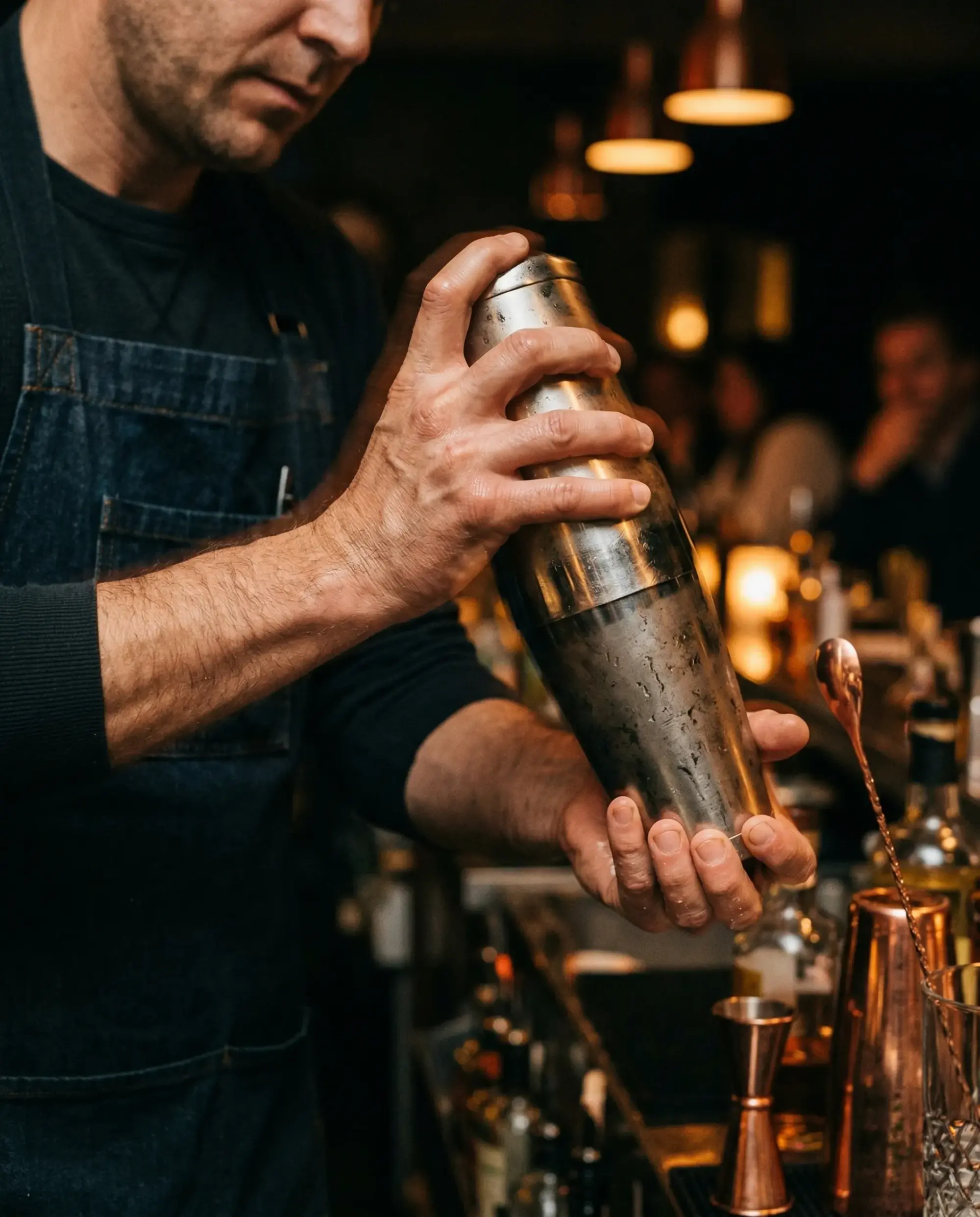
The exact process for any cocktail with egg white:
- Add all ingredients to your shaker, including the egg white. No ice yet.
- Seal and shake hard for 15-20 seconds. This is where the foam forms.
- Open the shaker and add ice, about two-thirds full.
- Seal and shake again for 10-15 seconds to chill and dilute.
- Double strain into your glass through a fine-mesh strainer.
The first shake needs to be aggressive. If your arm is not a little tired afterwards, you did not shake hard enough. This is not the moment for a polite wrist flick.
Common Dry Shake Mistakes
Even when people know about the dry shake, they often get the details wrong. The four mistakes worth avoiding:
This is not the time to be gentle. You need aggressive, vigorous shaking to create foam. Treat the dry shake as a workout, not a stir.
Some people dry shake, then just add ice and stir. Wrong. You need a full second shake with ice to properly chill and dilute the drink. A warm, under-diluted sour tastes unbalanced.
Fresh egg whites foam better than old ones. If your eggs have been sitting in the fridge for three weeks, the proteins have started breaking down and will not create stable foam.
If you add ice during the dry shake to save time, you have defeated the entire purpose. Keep the ice out until after the first shake. Always.
Do You Really Need to Dry Shake?
Yes. If you want that signature foam, the dry shake is non-negotiable.
Some bartenders use a reverse dry shake (shake with ice first, dump the ice, shake again without ice), but the traditional dry shake produces more consistent results for most people. The reverse method can work if you are batching drinks for a crowd, but for a single cocktail at home, stick with the standard method.
There is also a technique called the French shake where you use a single cube of ice during the dry shake to create some agitation without too much dilution. Honestly, that is overthinking it. The classic dry shake works.
Which Cocktails Use the Dry Shake?
Any cocktail with egg white benefits from a dry shake. The classics worth knowing:
Bourbon or rye, lemon juice, simple syrup, and egg white. The classic egg-white sour and the drink most people first encounter the dry shake technique through. The Penicillin is a close relative in the sour family, though it skips the egg white in favour of a smoky Islay float.
Gin, lemon juice, raspberry syrup, and egg white. Beautiful pink foam and one of the prettiest drinks in the canon.
Pisco, lime juice, simple syrup, egg white, and Angostura bitters dotted on top of the foam. The bitters on the foam is the signature finishing move.
A Whiskey Sour with a red wine float. The egg white foam creates a dramatic layering effect between the sour and the wine.
Amaretto, bourbon, lemon juice, simple syrup, and egg white. Often dismissed, but made properly with a dry shake it is one of the best sours in the category.
The Egg White Safety Question
People always ask: is it safe to drink raw egg whites?
The short answer is yes, for most people. The risk of salmonella from raw eggs is very low, especially if you are using fresh, refrigerated eggs from a reputable source. The alcohol in the cocktail also provides some antimicrobial effect, though it is not enough to fully cook the egg.
If you are immunocompromised, pregnant, or serving cocktails to elderly guests, use pasteurized egg whites (sold in cartons) or aquafaba as a safer alternative. Both work well with the dry shake technique.
Why This Technique Matters
The dry shake is one of those techniques that makes you feel like you actually know what you are doing. It is not complicated, but it requires understanding the why behind the method.
Anyone can follow a recipe. But when you understand that egg whites need agitation without dilution to foam properly, you are thinking like a bartender, not just copying instructions. That is the difference between making drinks and making great drinks.
The next time you make a Whiskey Sour, try it both ways: once with a dry shake, once without. The difference in texture and presentation is dramatic. The dry shake version looks better, tastes smoother, and feels more luxurious in your mouth.

That is not theatre. That is technique. And once you have it in your hands, every egg-white cocktail you make from then on will be measurably better than the version you used to settle for.
If you have a bottle of bourbon, a lemon, and an egg in the fridge, Alchemy will surface the Whiskey Sour alongside everything else you can build from what you already have.
Common Questions
A dry shake is the technique of shaking cocktail ingredients without ice first to create foam from egg whites or aquafaba, then adding ice and shaking again to chill and dilute the drink.
Shake hard without ice for 15-20 seconds to build the foam, then add ice and shake for another 10-15 seconds to chill the drink. The first shake needs to be aggressive enough to properly aerate the egg white.
Yes. Aquafaba, the liquid from canned chickpeas, foams beautifully with the exact same dry shake technique and is a reliable vegan substitute for egg whites in cocktails like the Whiskey Sour and Pisco Sour.
A standard dry shake shakes without ice first, then with ice. A reverse dry shake does the opposite: shakes with ice first, dumps the ice, then shakes again without ice. The traditional dry shake produces better results for most home bartenders.